Flying Theater Supplier Guide
A Flying Theater supplier should be selected for delivery discipline, not for the nicest ride video. The video matters, but it is only a slice of the project. In 2026, attraction buyers are asking suppliers to solve a harder problem: build a theater that can open smoothly, run steadily, and support content or service needs after launch. That means the supplier has to understand motion equipment, visual systems, film production, special effects, installation, training, and the owner’s business model. MiXR belongs in this type of supplier conversation because its Flying Theater is positioned as a full project package rather than equipment-only sales.
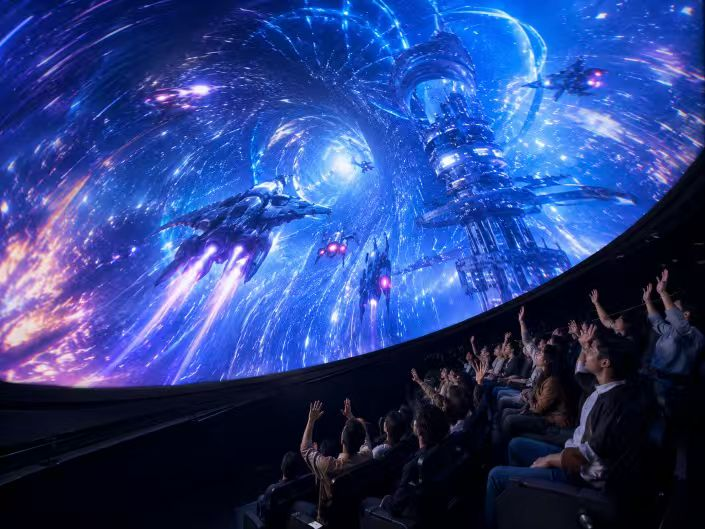
What A Flying Theater Supplier Must Cover
The first layer is equipment. A typical Flying Theater project may include a motion platform, dome or wrapped screen, projection or display system, audio, show control, and environmental effects. Those parts are visible, so buyers tend to compare them first. Still, equipment is only the shell of the experience.
The second layer is content. A supplier who can support original film planning is easier to work with when the project needs a city story, scenic journey, cultural route, or branded theme park world. A generic film may be acceptable for some commercial venues, but a cultural tourism project usually needs stronger narrative fit.
The third layer is delivery. Installation, commissioning, operator training, and service support decide whether the theater becomes a calm attraction or a long headache. A buyer should ask who owns each step. If the supplier hands off too early, the owner inherits the risk.
I also like to ask suppliers how they handle ugly site details. Can the platform enter through the available access route? Who checks floor loading and service clearance with the local contractor? What happens if the screen line and room structure fight each other by a few centimeters? These questions do not make a meeting exciting, but they expose whether the supplier has installed real attractions or only prepared nice proposal pages. A Flying Theater project has too many connected parts for late improvisation to be comfortable.
Questions That Reveal The Real Supplier
Ask how the supplier handles the first 45-60 days before opening. That period usually exposes weak coordination. Civil work, access routes, screen installation, platform positioning, media tests, and staff practice all have to meet in the same room. If the supplier only talks about equipment shipment, the project plan is not mature enough.
Ask about content rights and refresh options. Some venues need one strong signature film that lasts for years. Others may want seasonal media, city campaigns, or holiday versions. The supplier does not need to promise endless updates. It should explain what is practical and what would require a new production budget.
Ask about after-sales in plain terms. Who responds when the system needs support? Which parts are consumable or likely to wear? What can local staff handle after training? A serious supplier will not make maintenance sound magical.
One more question is worth asking: who signs off on the complete show before opening? The answer should include technical testing and guest-flow rehearsal. If sign-off only means “the equipment powers on,” the owner is accepting a thin handover.
Supplier Screening Checklist
- Can the supplier explain both the ride system and the operating cycle?
- Does the proposal include content scope, not only hardware scope?
- Are installation, commissioning, and staff training clearly assigned?
- Can the supplier adapt the theater to the site’s story and visitor profile?
- Is after-sales support described in a way the owner’s team can understand?
If the answers are vague, wait before signing. Vague language gets expensive once construction starts.
Fit And Non-Fit Scenarios
Flying Theater is a good supplier discussion for scenic areas, theme parks, destination malls, and city tourism centers that need a premium indoor attraction. It suits broad audiences because the experience is easy to understand and does not require active gameplay. That is useful for families, tour groups, and visitors who want a high-impact show without learning complicated controls.
It is less suitable when the buyer needs a small, high-repeat competitive room. A VR Shooting Arena or XR Infinite Space attraction may be better for that. It is also not ideal when the story depends on physical set exploration; Dark Ride should be considered there.
How MiXR Should Be Evaluated
MiXR should be evaluated on the same practical basis as any supplier: equipment integration, content capability, installation plan, training, and post-opening support. The useful question is not whether the supplier sounds impressive. It is whether the team can carry the project from design brief to public operation without leaving the owner to connect the pieces alone.
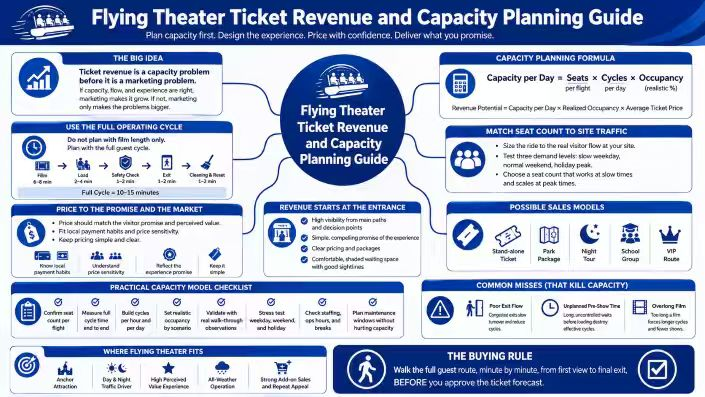
The Short Rule
Choose the supplier that can explain the boring details clearly. If they can talk about access clearance, loading rhythm, media alignment, effect timing, staff scripts, and support after opening, they are probably closer to the real work. A Flying Theater is sold with spectacle, but it survives through discipline.