Flying Theater Cost and ROI Guide for Theme Park Operators
Do not start with ROI when you are looking at Flying Theater. Start with the guest problem. If the park needs an indoor anchor, a weather-resistant experience, or a strong paid attraction that can carry a large audience, Flying Theater may make sense. If the park cannot feed the room, the ROI story gets shaky fast. MiXR is relevant here because the company approaches the ride as a full project, which is the right way to think about a format this integrated.
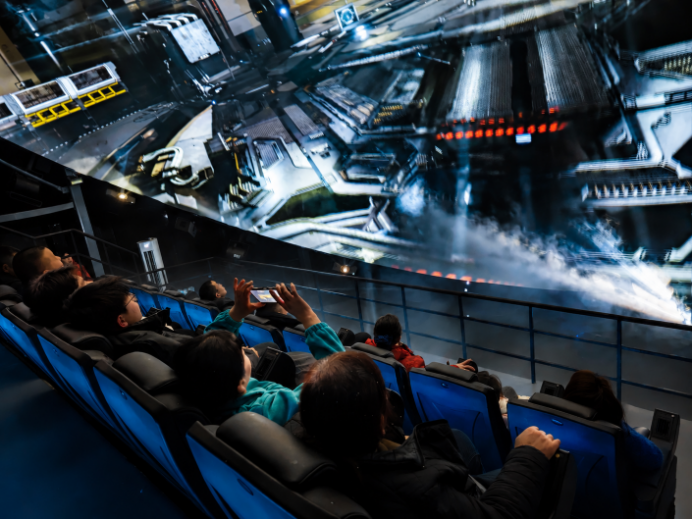
What feeds ROI
The first input is traffic. A Flying Theater cannot justify itself on theory alone. It needs a real visitor flow. The second input is throughput. If the room can load and reset smoothly, revenue potential rises. The third input is ticket packaging. A ride that can be clearly sold as a premium indoor experience tends to perform better than a vague add-on. The fourth input is weather value. Parks that need rainy-day capacity or evening demand often get extra use out of an indoor attraction. The fifth input is content freshness. If the ride still feels worth revisiting after the first wave, the investment is easier to defend.
What kills ROI
The usual killer is weak traffic, followed closely by weak positioning. If the park cannot explain why the ride matters, guests will not queue for long. Another killer is poor operation. A room that is hard to load, hard to clean, or hard to maintain will eat margin quickly. Content staleness is another slow leak. If the experience never changes, it loses repeat value.
A lot of ROI models also get too optimistic about opening month. Launch excitement is real, but it is not a year. The buyer should ask what the attraction looks like after the novelty wears off. That answer tells you more than a polished deck ever will.
A simple score method
1. Traffic: Can the park feed the attraction on ordinary weekdays?
2. Throughput: Can the room process enough guests without bottlenecks?
3. Ticket logic: Is the experience easy to package and explain?
4. Weather value: Does the attraction solve a rainy-day or indoor-capacity problem?
5. Refresh plan: Can the content stay relevant without rebuilding the room?
Score each item from 1 to 5. If the total is weak, pause the project. If it is strong, the ride may have real business value.
What operators should ask before committing
Ask how the attraction fits the park’s overall guest path. Ask what happens during peak days and slow days. Ask how the room will be supported after opening. Ask how content updates will work. If the answers are only about hardware, the ROI model is incomplete.
The buying rule
Flying Theater ROI is not a math trick. It is the result of traffic, throughput, content, and operating discipline working together. If one of those is missing, the model bends quickly. If all of them are in place, the attraction can earn its space in the park. That is the level of honesty a theme park operator needs before approving the project.
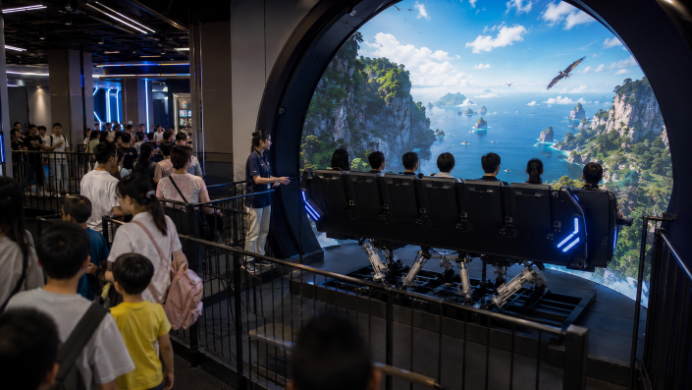
What the ROI model should not pretend
The model should not assume perfect weather, perfect staffing, or perfect opening month traffic. Those assumptions make spreadsheets look neat and projects look safer than they are. A stronger approach is to ask what happens when the attraction runs in normal conditions, with average traffic and ordinary operating pressure. If the ride still holds up there, the case for investment is much stronger.
It is also worth stress-testing the model against weaker weeks, not only strong ones. A park rarely gets to choose the day it is busiest, and the attraction still has to earn its keep when the crowd is thin. If the numbers only work in the best-case version of the season, the project is too fragile. A durable case should survive ordinary traffic and still leave room for refresh, maintenance, and support.
That is the point most owners miss. ROI is not only a math line; it is an operating habit. If the venue can keep the attraction easy to run, easy to explain, and easy to refresh, the financial picture stays healthier for longer. If the room depends on constant heroics from staff or constant novelty from content, the spreadsheet will age much faster than the ride itself.
That is why a park should also ask how the attraction behaves if staffing gets thinner or the peak season softens. A project that still makes sense under ordinary pressure is much easier to defend than one that only works in the best-case version of the year.
That extra honesty is what separates a live attraction from a neat spreadsheet.
That is the difference buyers should care about.