What to Ask a Bermuda Adventure Theater Supplier Before Ordering
Before ordering Bermuda Adventure, ask the theater supplier to describe the business the venue will receive at handover. A ship-shaped attraction can be visually persuasive, but its commercial role depends on the audience, story, group handling, opening budget, and support arrangements behind that appearance.
The supplier should be able to connect those decisions. A scenic destination introducing a maritime experience needs a different brief from a mall seeking a short family attraction. The order should follow that brief rather than begin with a ship exterior and leave the operating product to be decided later. Ask for a budget that connects the selected experience with the staff and space it will need throughout the operating day.
Who is the experience for and why will they choose it?
Ask the Bermuda Adventure theater supplier which visitor offer the proposed package supports. Is it a separately ticketed show, part of a wider attraction ticket, or an indoor stop along an existing visitor route?
For a family audience, the story, presentation, and ticket description should agree. A storm-driven adventure should not be marketed as a gentle journey without reviewing the delivered content. A cultural venue may need a stronger connection to its own maritime history or local landscape.
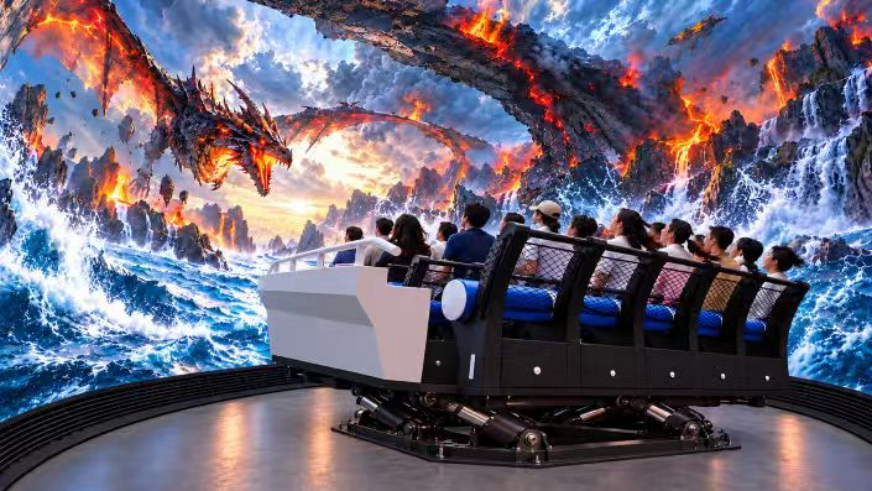
MIXR’s Infinite Ark format provides a shared-cabin approach to this type of project. Its relevance is the ability to give a group one coordinated story experience. The buyer should still confirm that the particular Bermuda Adventure proposal fits its audience and room.
Ask what visitors will understand before purchasing. The queue, show description, and boarding point should communicate the experience without requiring staff to explain the entire product to every passing customer.
What does the quoted price leave for the venue?
Request a division between the themed ship body, motion system, seating, visual presentation, audio, content, control, selected effects, installation, and commissioning. These items should connect as one show, but their scope should remain identifiable.
Then ask what the venue must prepare. The proposal should name responsibilities for the base building, structural coordination, utilities, access, queue area, finishes, and local construction. An attractive ship rendering does not establish those requirements.
The Bermuda Adventure equipment manufacturer should also explain how the delivered arrangement is installed and later serviced. Check doorways, delivery routes, removable sections, and technical access before approving decorative work.
A useful warning sign is a quotation that is precise about the visible shell but vague about the work needed to open the attraction. The shell may be the easiest part of the project for a visitor to notice and the least useful part for comparing complete investment.
Can the proposed show support the operating plan?
Ask for the complete cycle: visitor preparation, boarding, checks, the show, unloading, and readiness for the next group. Review the staffing assumption and what changes when a guest needs assistance.
Do not calculate the business only from cabin capacity and film length. The venue needs realistic paid attendance assumptions for ordinary operating periods, not just the busiest holiday sessions.
The demonstration should include the selected film, motion program, visual system, audio, and effects together. A short dramatic extract cannot show whether the complete experience works for the intended audience or returns smoothly to the unloading position.
Discuss the viewing experience across the proposed occupied positions. If a display option requires particular room geometry, resolve that in the coordinated design rather than after the ship body has been fabricated.
What content is included and what can change later?
Ask the Bermuda immersive theater manufacturer to identify opening titles, languages, usage rights, and customization. A locally themed show needs an approval process and clear responsibility for reference material, scripts, and licensed assets.
Confirm what is involved in changing the show after opening. New content may require motion programming, control changes, sound work, testing, and staff familiarization. The venue should understand that scope before using future refreshes to justify its investment.
Content continuity matters as much as novelty. Ask how the installed experience is maintained if a software or media version changes, and which updates are optional rather than necessary for continued operation.
Who gets the attraction ready for the first trading day?
Request a schedule separating room readiness, production, delivery, installation, content approval, commissioning, training, and trial operation. Ask which dependencies could move the opening date.
MIXR can coordinate cabin planning, equipment, themed content, installation, and operator training. Turn those services into named deliverables, including the venue’s responsibilities, rather than treating the word “turnkey” as a complete project schedule.
Before order approval, obtain written answers to four practical questions:
- What must the venue finish before installation can begin?
- What must be demonstrated before handover is accepted?
- Which faults may trained staff handle through approved procedures?
- What support and spare-parts arrangements apply after opening?
Bermuda Adventure suits a venue able to manage a shared cabin, controlled boarding, and a defined show cycle. It is a weaker fit where the room cannot provide service access or where the buyer expects a decorative installation to operate without daily preparation.
The order is ready when the venue can identify the remaining work, responsible people, and evidence of readiness—not simply when the supplier has finalized the ship’s appearance.