XR Infinite Space Applications for Theme Parks
XR Infinite Space Applications for Theme Parks: Where It Fits and Where It Does Not
XR Infinite Space applications for theme parks are strongest when the park needs a flexible indoor attraction, a multiplayer mission, or a refreshable experience that does not require building a full ride track. It is not a replacement for every roller coaster, dark ride, or theater. In 2026, theme parks are using XR and VR Large Space formats to add interactive capacity, seasonal content, and new revenue zones without always committing to heavy civil construction.
The format works best when it is treated as a designed attraction, not a room full of headsets.
Why Theme Parks Are Looking at XR Infinite Space
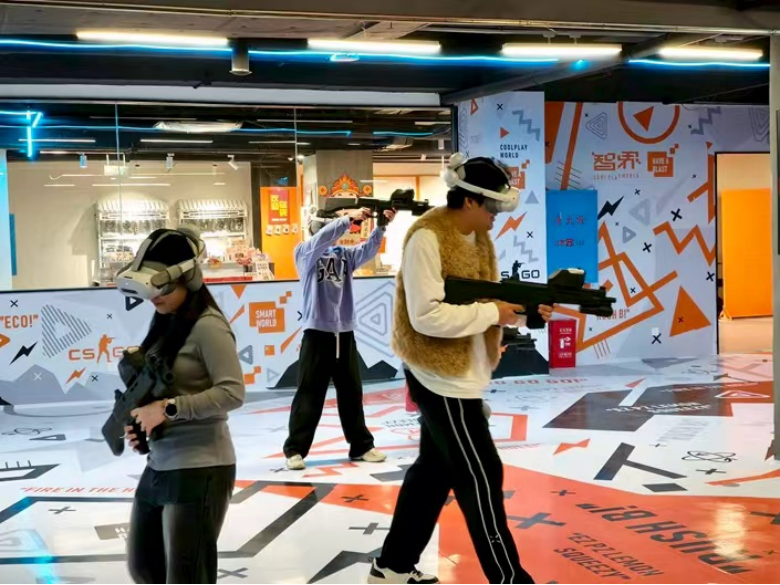
Theme parks need attractions that can handle repeat visitors, weather changes, and different audience groups. Large physical rides are powerful, but they take time, capital, and construction risk. XR Infinite Space offers another route: create a multiplayer world inside a controlled indoor area.
It can support:
- VR shooting arena missions.
- Fantasy exploration and adventure.
- Escape-style puzzle experiences.
- Cultural or historical storytelling.
- Seasonal IP events.
- Team-based competitions.
MiXR’s XR Infinite Space can be used in this type of planning when a park wants a turnkey immersive attraction solution with hardware, content, installation, and operation support. The main value is flexibility. The same area can potentially support different missions over time.
Best Theme Park Use Cases
Indoor Expansion Zones
Many parks have indoor areas that are underused or difficult to convert into major rides. XR Infinite Space can turn these areas into ticketed or bundled experiences. The format is especially useful where ceiling height and open floor area are sufficient but track construction is not practical.
Seasonal and Event-Based Attractions
Theme parks often need new content for holidays, summer campaigns, Halloween events, or local festivals. XR Infinite Space can support seasonal missions more easily than fixed scenic construction. The park still needs good creative planning, but the physical rebuild can be lighter.
Group and Youth Experiences
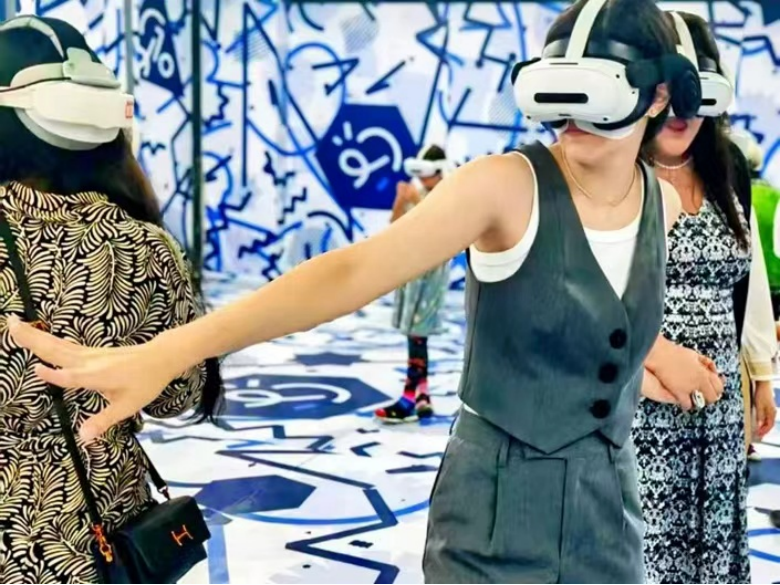
Free Roam VR works well for teenagers, young adults, and team visitors. A multiplayer VR experience can create competitive or cooperative moments that fit school trips, company outings, and friend groups.
Secondary Ticketed Attractions
Not every attraction must be a headline ride. XR Infinite Space can work as an add-on ticket, fast session, VIP activity, or indoor backup experience during bad weather. This use is often more realistic than expecting it to become the park’s single main draw.
When a Theme Park Should Choose Another Format
XR Infinite Space is not always the best choice. If the park needs a high-capacity family attraction with broad appeal, a Flying Theater or Hyper XR Theater may be easier for mixed-age groups. If the park wants a story-driven route through physical scenes, an Interactive Dark Ride may be stronger. If the project is about scenic spectacle and photo appeal, Glass Theater may create more visible impact.
For museums inside theme parks or education-driven cultural zones, Holographic Museum or MR interpretation can be more suitable than combat-based VR.
The point is not to force every project into XR Infinite Space. It should be one tool in a theme park technology plan.
Planning the Guest Flow
Guest flow decides whether the attraction feels professional. A theme park version should include:
- Visible entrance and pre-show identity.
- Ticket or reservation control.
- Storage for bags and loose items.
- Safety briefing zone.
- Equipment fitting zone.
- Play area with clear staff visibility.
- Exit path and photo or sharing point.
If these steps are squeezed into one counter, the attraction will feel smaller than it is. It may also lose hourly capacity.
A Theme Park Selection Checklist
Use this checklist before selecting XR Infinite Space:
- Does the park need interaction rather than passive viewing?
- Is there enough space for safe player movement?
- Can the target audience understand the mission quickly?
- Will the content still feel relevant after the first season?
- Can the staff operate it during peak days?
- Does the attraction fit the park’s brand and story world?
- Is the ticket model clear: included, add-on, VIP, or event-based?
- Can the supplier support updates, maintenance, and spare parts?
If the project fails on space, staffing, or story fit, rethink the format.
Cost and Capacity Considerations
Theme park buyers should model both peak and normal days. A VR arena may look profitable during holidays, but weekday utilization can be lower. The attraction should have a role during low-demand periods, such as group bookings, school events, or bundled tickets.
Capacity planning must include the full cycle. For a 12-minute gameplay experience, the real cycle may be closer to 18-25 minutes after briefing, equipment setup, and reset. If the park expects high hourly throughput, this detail matters more than the headset specification.
How XR Infinite Space Fits a Larger Attraction Mix
The strongest theme park plans often combine formats. A Flying Theater can serve as a broad family landmark. A Dark Ride can deliver physical storytelling. XR Infinite Space can add active multiplayer participation. A Holographic Museum can support education or cultural interpretation.
In that mix, XR Infinite Space does not need to do everything. It needs to do one thing well: give visitors a shared, interactive, repeatable experience that physical rides cannot easily update. When planned that way, it becomes a useful part of the park’s immersive entertainment strategy rather than a technology experiment.