XR Infinite Space Equipment Guide
XR Infinite Space Equipment Guide: What a Commercial System Really Includes
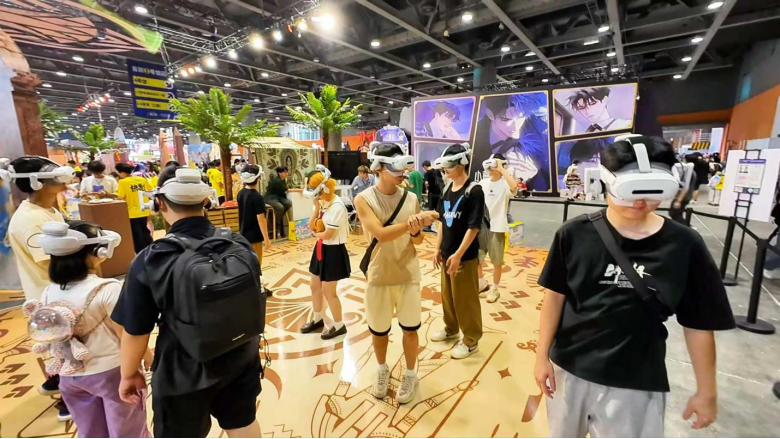
An XR Infinite Space equipment guide should make one point clear: the attraction is not just a group of headsets. A commercial XR Infinite Space system includes tracking, computing, multiplayer software, content, safety design, network, staff workflow, and installation support. In 2026, buyers comparing VR Large Space, Free Roam VR, VR Arena, and Location Based VR systems need to understand the full equipment stack before judging price.
A cheap-looking quote may exclude the parts that keep the attraction stable in daily operation.
Core Equipment in XR Infinite Space
Most commercial systems include several layers:
- XR or VR headsets.
- Tracking system and calibration tools.
- Backpack PCs, local PCs, or streaming hardware, depending on design.
- Multiplayer software and game management system.
- Game content or mission library.
- Network equipment.
- Safety boundary system and floor planning.
- Charging, storage, cleaning, and maintenance tools.
- Operator console.
- Installation, testing, and staff training.
MiXR’s XR Infinite Space belongs to this commercial attraction category. The useful point for buyers is that the system should be delivered as an integrated experience, not assembled casually from consumer devices.
Headsets Are Only One Part of the System
Many new buyers focus too much on headset resolution. Display quality matters, but a good headset cannot save poor tracking, weak content, or bad operations. For commercial use, buyers should also ask about comfort, durability, hygiene, battery management, replacement parts, and how quickly staff can fit the device on first-time players.
If the system uses MR or passthrough features, check whether the content truly needs mixed reality. Do not pay for a feature because it sounds modern. Pay for it when it improves safety, interaction, or visitor experience.
Tracking and Space Design
Tracking is the heart of Free Roam VR. If players drift, jitter, or lose position, immersion breaks quickly. The supplier should explain how tracking works, what site conditions affect it, and how calibration is handled.
Space design is equally important. A playable area must include safety margins, staff visibility, emergency access, and a clear boundary between players and spectators. A venue that advertises 100 square meters may not provide 100 square meters of usable play space after columns, counters, decoration, and waiting areas are included.
Content and Game Management
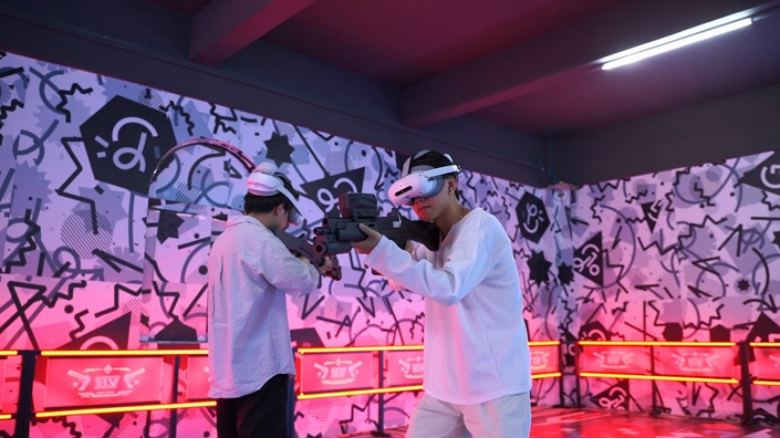
XR Infinite Space technology is only valuable when the content gives visitors a reason to pay. Common content types include VR shooting arena missions, fantasy adventures, escape-style games, cultural exploration, and team competitions.
The buyer should confirm:
- How many games or missions are included?
- Are they suitable for the target age group?
- Is there language localization?
- Can the content be updated later?
- Are there extra license fees?
- Does the system support operator-controlled session management?
For shopping malls and FECs, repeat play matters. For tourist attractions, the content should connect with the destination or at least feel special enough for visitors.
Network, Computing, and Stability
Commercial XR equipment must run many sessions per day. Network instability, overheating, slow startup, or complicated reset procedures can reduce revenue. Ask the supplier to explain the expected startup process, session reset time, and troubleshooting steps.
In real projects, the operator console is more important than many buyers expect. Staff need to start sessions, monitor players, pause if necessary, and recover from small problems without calling an engineer every time.
Safety and Hygiene Equipment
Safety is part of the equipment package. A professional XR Infinite Space installation should consider floor material, anti-collision rules, player spacing, emergency stop logic, staff line of sight, and clear instructions. Hygiene equipment should include cleaning materials, replaceable face covers if applicable, storage racks, and charging discipline.
This is not paperwork. It affects customer confidence and throughput. If cleaning takes too long or equipment is scattered, the hourly capacity drops.
Buyer Checklist for XR Infinite Space Equipment
Use this checklist when comparing suppliers:
- Headset model, quantity, comfort, and replacement cost.
- Tracking method and site condition requirements.
- Playable area and safe capacity per session.
- Computing and network architecture.
- Included content and future update path.
- Operator console and staff workflow.
- Safety design and emergency handling.
- Cleaning, charging, and storage plan.
- Installation schedule and acceptance test.
- Warranty, spare parts, and remote support.
If a quotation does not answer these points, it is not complete enough for procurement.
How to Avoid Buying the Wrong System
The wrong system is usually chosen for one of three reasons. First, the buyer compares headset specifications instead of commercial operation. Second, the buyer underestimates space and staff requirements. Third, the buyer accepts content that looks good in a video but does not fit the local audience.
For a shopping mall, the equipment must support fast onboarding and strong storefront conversion. For a theme park, it must handle peak-day discipline and group flow. For a cultural tourism project, the content may need to connect with local stories. For a VR theme park, the system must support repeatable daily operation across several attractions.
XR Infinite Space equipment should be evaluated as a complete revenue system. When the hardware, content, tracking, safety, and operations fit together, the attraction feels simple to visitors. That simplicity is usually the result of a lot of careful engineering behind the scenes.