Hyper XR Theater for Theme Parks
Hyper XR Theater for theme parks works best when the park needs an indoor attraction that adds participation without building a full ride system. It is not a roller coaster replacement, and it should not be sold as one. Its strength is different: controlled storytelling, group experience, digital interaction, and repeatable operation.
Theme parks are under pressure to add new attractions faster, use indoor space better, and give visitors more reasons to stay during bad weather or off-peak hours. A Hyper XR Theater can help when it is planned as part of the park’s attraction mix, not treated as a technology room placed randomly inside the map.
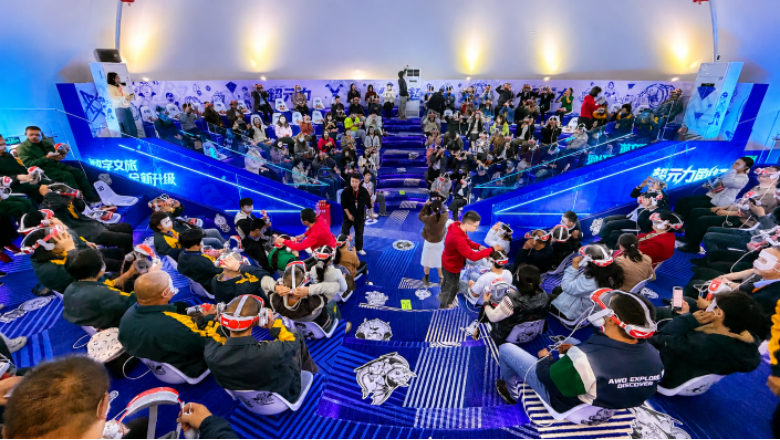
What Hyper XR Theater Actually Adds
A Hyper XR Theater can combine XR viewing, interactive content, virtual characters, spatial audio, gesture interaction, seating or layout control, and synchronized effects. Visitors are placed inside a story rather than simply watching a screen.
The attraction may be short, but it can feel active. That is useful for parks that want indoor capacity without constructing a long ride route.
MiXR’s Hyper XR Theater is relevant for this type of project because it is designed as an XR theater product rather than a general projection room. The package can support content, equipment integration, interaction design, and installation planning for themed venues.
This matters because buyers sometimes mistake XR Theater for a simple media room. It is not. A proper Hyper XR Theater is a higher-value attraction system, usually planned as a RMB 1 million+ project rather than a small projection upgrade.
Best Theme Park Use Cases
Hyper XR Theater fits several theme park situations:
- Indoor areas that need stronger paid value.
- Story zones where visitors should participate, not only watch.
- Weather-resistant attractions for hot, rainy, or low-light periods.
- Seasonal shows that can be refreshed with new content.
- Smaller expansion projects where a full dark ride is too heavy.
The format is especially useful when the park has a story world or IP theme that can support interactive scenes. It gives the operator a way to build a ticketable indoor experience without committing to the construction scale of a large ride system.
Where It Does Not Fit
Hyper XR Theater is not ideal if the park needs very high hourly throughput with minimal staff interaction. It also may not fit if the audience includes many visitors who resist wearing devices or following interactive instructions.
If the buyer only needs a passive visual show, a conventional immersive theater may be enough. If the goal is a physical ride route with vehicles, large scenic sets, and long movement through space, a different attraction format may be needed.
The format works best when the park actually wants participation. If visitors are only expected to sit, watch, and leave, the extra XR layer may not create enough value.
Planning the Visitor Flow
Theme parks should think about flow before equipment. The visitor needs a clear entrance, waiting area, briefing point, show space, exit, and sometimes a photo or retail point.
The staff process matters:
- Ticket or reservation control.
- Safety and experience briefing.
- Equipment fitting if needed.
- Show start and monitoring.
- Exit management.
- Cleaning and reset.
If these steps are crowded into one area, the attraction will feel slower than expected. This is especially important for a Hyper XR Theater because equipment handling, visitor guidance, and reset time all affect real capacity.
Content Is the Real Attraction
Technology creates the format. Content creates the reason to enter.
A Hyper XR Theater should not rely only on digital effects. The story must be easy to understand quickly. Visitors should know what role they are playing, what is happening around them, and why their interaction matters.
For theme parks, the content should connect with the park’s larger world. A generic sci-fi scene may be fun once. A story tied to the park’s identity has more long-term value.
This is where many projects succeed or fail. If the story is weak, the XR layer becomes decoration. If the story gives visitors a role, the technology starts to feel natural.
Operation Notes
A Hyper XR Theater should be planned around the full visitor cycle, not just show duration. A 7-minute show may still require 12-18 minutes per cycle after briefing, fitting, exit, and reset.
That means the park should look carefully at real hourly capacity. How many groups can pass through in one operating hour? How many staff are needed during peak periods? How quickly can the room reset? What happens if one device needs attention during a session?
These questions are not small details. They decide whether the attraction feels smooth during a busy day.
Theme Park Buying Rule
Use Hyper XR Theater when the park needs a compact indoor attraction with participation and story control. Do not use it as a generic technology display.
The best theme park applications are specific. A fantasy mission. A sci-fi command room. A cultural adventure. A character-driven interactive show. When the story has a clear role for the visitor, the technology feels natural.
When the story is weak, XR becomes decoration. Theme park visitors notice the difference quickly.
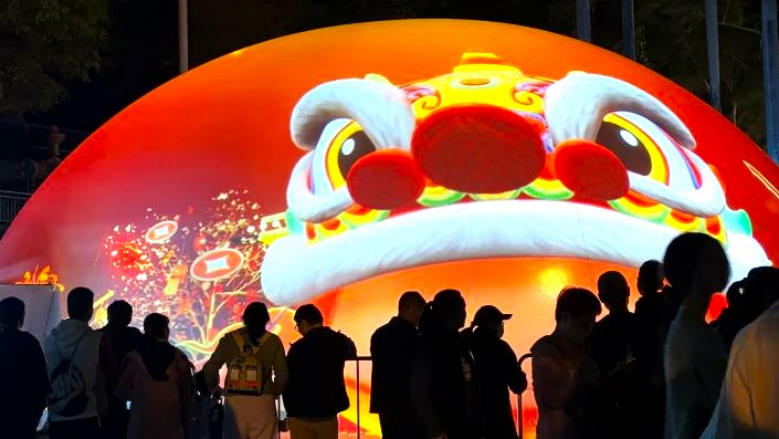
How to Fit It Into the Park Mix
Hyper XR Theater should be placed where it supports the park’s rhythm. It may work near a themed zone, beside a family attraction, or as an indoor stop between outdoor rides. If the entrance is hidden or the story has no link to the surrounding area, conversion becomes harder.
The park should also decide whether the theater is included in admission, sold as an add-on, or used for special events. Each model changes the required capacity and content strategy. An included attraction needs smoother throughput. An add-on ticket needs stronger perceived value.
For theme parks, the product should never feel like a technology room inserted into the map. It should feel like part of the world the visitor already entered.
The park team should also involve operations early. Creative teams may focus on story, while procurement focuses on equipment. Operators will ask different questions: how fast can the room reset, where do guests wait, who handles nervous children, and what happens if one device fails? Those questions should shape the design before installation begins.