The Holographic Glass Theater Budget I Would Not Rush to Sign
If I were putting money into a Holographic Glass Theater, I would be excited, but I would also be a little cautious.
That is probably the most honest starting point.
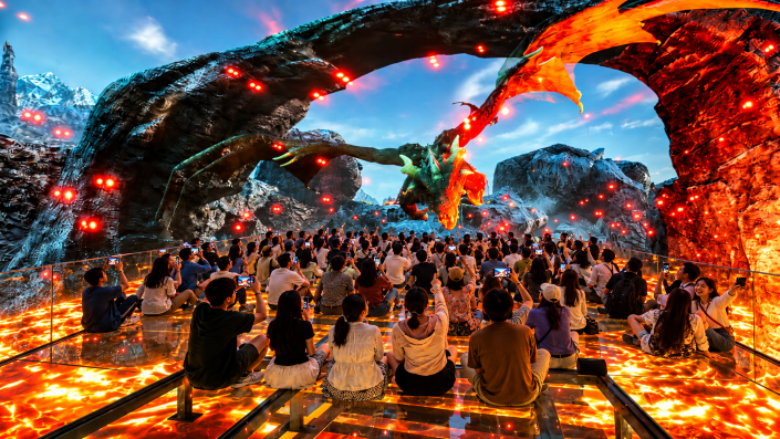
The product has a strong first impression. A glass bridge, five-sided curved LED naked-eye 3D visuals, sound, control, short film viewing… it is the kind of attraction that can make a museum or scenic area feel more modern without asking every visitor to wear a headset. MIXR also gives practical configuration choices, including 20-, 35-, 50-, and 120-person versions, with a documented 30-200 square metre floor-area range.
So yes, I would be interested.
But I would not sign just because the demo looks good. I would keep asking myself one thing: will this still feel like a smart investment when the novelty is gone?
I Would Picture a Slow Day First
I would not imagine the opening weekend. Opening weekends are misleading. People come because something is new. Staff are alert. Managers are watching. Everyone is more patient than usual.
I would picture a slow day instead.
A museum on a weekday afternoon.
A scenic attraction after lunch, when visitors are tired.
A commercial venue with people walking past, looking but not stopping.
That is the day that tells me whether the Holographic Glass Theater belongs in the venue.
If the entrance still feels clear, if staff can still sell it without forcing the conversation, if visitors still understand why they should pay for it, then I would feel much better about the cost.
If the attraction needs a lot of explaining every single time, I would worry. Not because the product is bad, but because the operation is too heavy. A project that depends on constant persuasion can become tiring for staff.
I Would Want the Entrance to Do Some Selling
I would care a lot about what people see before they enter.
That may sound too simple, but I think it is where many projects lose value. Visitors do not walk around thinking, “I am ready to evaluate an immersive technology solution.” They are with children, friends, classmates, or a tour group. They are deciding quickly.
So I would want the entrance to tell them enough.
Not everything. Just enough.
It should feel open. It should feel safe. It should show that the experience is shared, short, visual, and easy to join. If the front looks too technical or too closed, I would expect fewer walk-ins. Then the operator has to use more staff, more signage, and more promotion to do the same job.
That extra effort is part of the cost, even if nobody writes it on the equipment quote.
I Would Choose the Version by Feeling the Venue, Not by Chasing Size
The larger version would tempt me. I admit that.
A 120-person configuration sounds confident. It sounds like the project has scale. For a high-traffic scenic site with scheduled groups, it may be the right decision.
But if I were buying for a museum, I might not want the largest room. I would care about atmosphere. A 35-person or 50-person theater that feels comfortably full may create a better impression than a bigger one that feels half-used most of the week.
For a more guided cultural space, even the 20-person version could make sense. A smaller group can feel more careful, more controlled, and more connected to the exhibition.
I would not ask, “Which one is biggest?”
I would ask, “Which one will make my venue look good on an ordinary day?”
That is a very different question.
I Would Be Careful With the Room No One Talks About
The theater room itself gets attention. The space around it worries me more.
Where do people wait?
Where does a guide stand?
Can a family pause without blocking the corridor?
Can older visitors enter slowly without feeling embarrassed?
When the show ends, do people return naturally to the route?
I would want to walk that path myself before approving the budget.
I would also want the contractor in the conversation early. Power, ventilation, floor work, wall treatment, light control, sound treatment, delivery access, fire-route coordination… none of these are glamorous, but they can change the real investment.
If the venue is an older museum, I would be even more cautious. Narrow access, protected finishes, limited work hours, and public opening schedules can all make installation more sensitive.
The quote may be clear. The building may not be.
I Would Not Let the Film Feel Generic
This part matters to me more than some buyers admit.
If I am buying a Holographic Glass Theater for a museum or cultural tourism site, I do not want visitors to leave thinking only, “The screen was cool.” That is too shallow. I want them to remember the place better because of the experience.
Maybe it is a local legend.
Maybe it is a landscape.
Maybe it is a historical scene.
Maybe it is a cultural image that gives the venue a stronger emotional ending.
MIXR has film and CG production capability across its immersive attraction products, so I would discuss content early, not after the hardware decision is already settled. I would ask what existing content can do, what localization means in practice, and what a custom story would require.
For a commercial venue, I might accept a broader theme if it sells quickly. For a museum, I would be stricter. If the content does not belong to the site, the attraction may look impressive but feel replaceable.
That would bother me.
I Would Not Trust a Perfect ROI Sheet
A perfect ROI sheet always makes me nervous.
It usually assumes clean sessions, smooth visitors, full groups, fast reset, and staff who never get tired. Real venues do not behave like that.
People arrive late. Children hesitate. A guide talks too long. Someone asks whether the glass bridge is safe. The previous group takes photos at the exit. Staff need a minute to reset.
So I would build the revenue model with some patience inside it.
The show may be short, but the working cycle is longer. Ticket checking, entry, explanation, viewing, exit, reset… that whole rhythm matters. If the numbers still make sense with a realistic cycle, I would trust the investment more.
When I Would Finally Feel Ready
I would feel ready when I can imagine the first normal month without too much anxiety.
Visitors notice the entrance. Staff explain the experience easily. The room feels active, not forced. The film feels connected to the venue. Groups move through without confusion. The attraction still feels useful after the first wave of curiosity.
That is when the cost begins to feel reasonable to me.
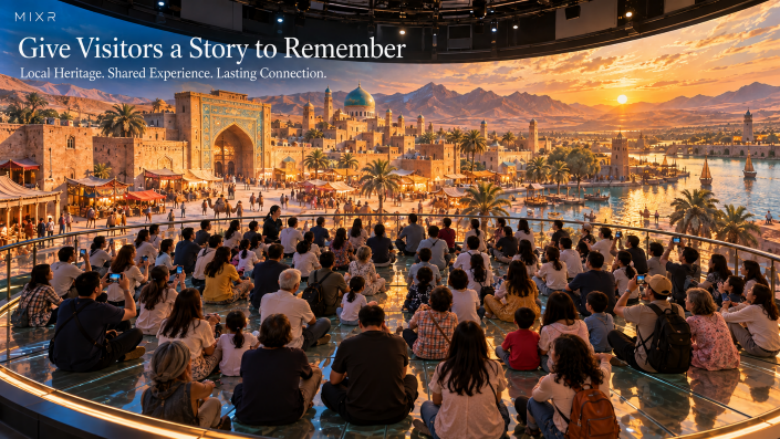
A Holographic Glass Theater is worth considering for museums, scenic attractions, and commercial venues because it gives people a shared immersive experience without making the operation too game-like or too technical. But I would buy it only after I believe my own team can sell it, run it, and keep it valuable in daily operation.
That is the budget I would be willing to defend.