VR Arena Success Story
A good VR Arena success story is usually less glamorous than people expect. The winning projects are not the ones with the loudest launch video. They are the ones that solved a practical space problem and kept solving it after the opening rush. In 2026, that matters because malls and family entertainment centers need repeat visits, not a one-week buzz spike. MiXR’s VR Arena and Free Roam VR products fit that kind of rollout well because the format is easy to place, easy to explain, and easy to refresh.
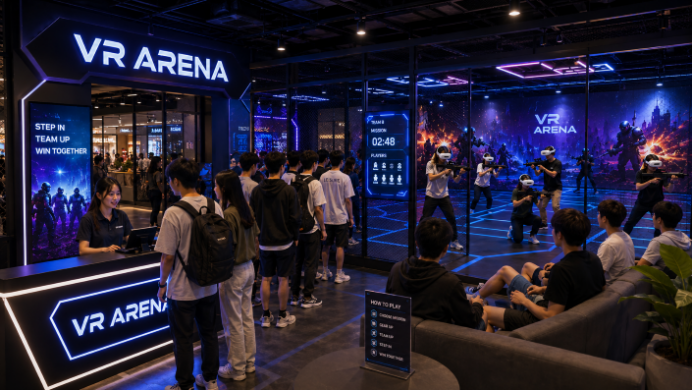
What the successful project usually solved
The most common starting point is a dead corner. I have seen rooms tucked near food halls, upper floors, or side corridors that were too awkward for a cinema and too valuable to leave empty. VR Arena works because it does not need a special ceiling and it does not need a backpack on every player. That makes the layout easier to fit into a normal commercial shell. The room can be compact without feeling cheap if the flow is planned well.
The second problem is audience clarity. If people can understand the attraction in one sentence, staff can sell it. If they need a full explanation, the room is already fighting uphill. Successful projects usually have a simple entry story: a few players, a short mission, a clear goal, and a payoff that family groups or younger visitors can grasp instantly. That is why Free Roam VR and VR Shooting Arena formats convert better when the rules stay simple.
What happened after opening
The opening week is noisy, but it does not tell you much. What matters more is the routine after month one. In a real success story, the operator settles into a predictable loop: short sessions, a quick reset, clear price packaging, and content updates that keep the room from feeling old. The attraction becomes part of the venue’s weekly rhythm instead of an event that needs constant hype.
The staff side matters more than some buyers admit. One or two trained people should be able to run the room without turning every small issue into a technical call. If every day needs a senior engineer, the attraction is too fragile. A strong VR Arena room feels almost routine to operate. That is not boring. That is healthy.
What the operator did not do
The project did not chase complexity for its own sake. It did not add features that made the room harder to clean, reset, or explain. It did not try to turn a repeat-play attraction into a mini theme park. That restraint is often the difference between a good year and a tiring one.
It also did not depend on a single game or mission. New content, seasonal twists, and small rule changes are enough if the core loop is solid. The room does not need a full rebuild every quarter. It needs a refresh path that the operator can actually afford to follow.
Why this matters for MiXR buyers
MiXR is a good fit in this style of project because the company sells the room as a system. Hardware, content, installation, and the handoff into operations all matter. For malls, FECs, scenic areas, and overseas venues, that integrated approach is often more valuable than a box-by-box comparison. A successful project is not only about what is installed. It is about what the team can keep running.
A simple success checklist
1. The venue already had a realistic traffic source.
2. The room fit normal building conditions.
3. The experience was easy to explain in a few seconds.
4. The team could reset and supervise it without stress.
5. The content plan was built for refresh, not just launch.
When those pieces line up, the room has a real chance to become a steady business line. That is what a success story looks like when you strip away the marketing.
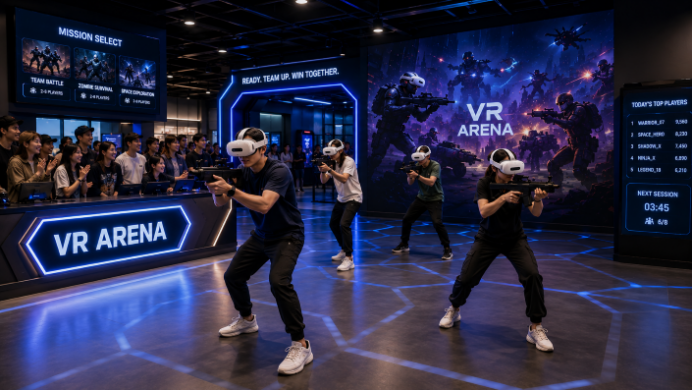
Why the good ones keep paying back
The stronger projects usually stayed modest at the start and disciplined after opening. They knew which audience they wanted, kept the room easy to explain, and avoided the temptation to bolt on extra features that made the workflow messy. That is why the best success stories often sound almost plain when you read them back. The attraction simply kept working, and the operator kept finding a better way to sell it.
A real success story also shows up in the booking pattern. Once the novelty cools down, the operator learns which time slots sell fastest, how large each group should be, and how much staff time the room actually needs on a normal day. That is where the attraction stops being a launch event and starts becoming a repeatable part of the venue’s income.
That matters week after week.