XR Theater Price Breakdown
An XR Theater price breakdown should begin with scope, not with a neat equipment menu. A buyer who only asks for screen size, seats, projectors, and a quotation will usually miss the items that make the venue work after opening day. In real projects, the commercial result depends on the show cycle, content plan, seating layout, interaction method, queue flow, local construction conditions, and the supplier’s ability to coordinate installation without turning the site into a long technical argument.
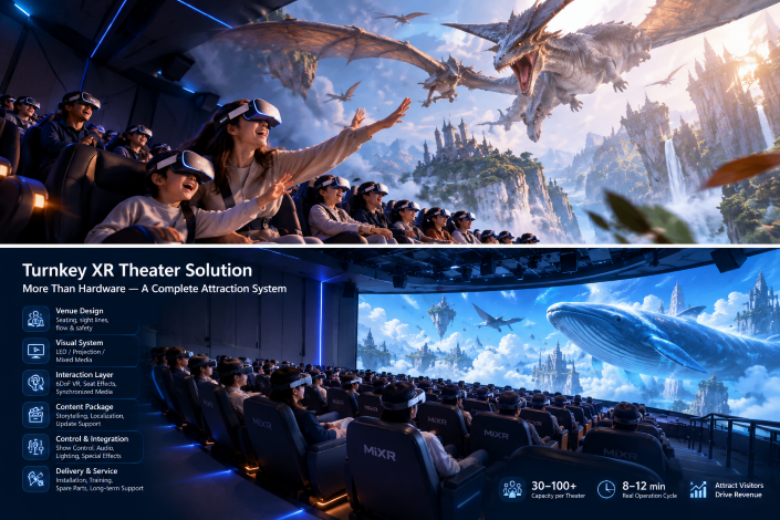
For MiXR’s XR Theater and Hyper XR Theater projects, the safer way to read the proposal is simple: treat the theater as a full attraction system. Hardware is only one layer. The buyer is also paying for attraction planning, system integration, content adaptation, calibration, staff training, and a support path after launch. For this category, a serious project is usually a RMB 1 million+ investment once the theater is planned as a commercial attraction rather than a demo room.
Start with what the theater must do
An XR Theater can serve different business roles. A theme park may use it as an indoor family attraction that absorbs visitors during rain or heat. A tourism operator may use it to turn a regional story into a ticketed experience. Museums and cultural institutions transform cultural relics into interactive digital experiences, bringing history to life. Those goals lead to different specifications.
The first mistake I still see is a buyer comparing two offers line by line without asking whether the two suppliers are quoting the same type of project. One proposal may include content production support, on-site installation, interactive effects, control software, and operating training. Another may include equipment only. On paper the second one looks lean. On site it creates missing work.
What buyers are actually paying for
- Venue design: seating count, sight lines, audience flow, maintenance access, and safe entry and exit.
- Visual system: LED, projection, glass display, or mixed media, chosen according to room depth and viewing angle.
- Interaction layer: gesture, controller, seat effect, synchronized media, or a simpler passive show.
- Content package: story structure, media assets, localization, soundtrack, and update rights.
- Control and synchronization: show control, safety interlock, audio, lighting, special effects, and operator interface.
- Delivery work: factory test, packing, freight coordination, installation, commissioning, and staff handover.
This is why a theater that looks similar in a short video can sit in a very different commercial bracket. The difference is rarely one magic component. It is the amount of project work hidden behind the show.
Where the specification changes the business result
Capacity is usually the biggest driver. A 5-minute show may not mean a 12-round-per-hour operation. Ticket checking, seat loading, safety reminders, content reset, and exit flow can turn the actual cycle into 8-12 minutes. If the room is designed for 30 people, a small delay changes daily throughput quickly. Buyers should model real hourly capacity before approving the layout.
Content is another point where cheap thinking becomes expensive. A generic fantasy film can help a venue open faster, but it may not support a scenic area’s cultural story. A fully customized show gives stronger differentiation, yet it needs time, review, and clear creative ownership. The smart middle ground is often a proven theater format with localized content elements.
Buyers should also look at what is excluded. Freight, import handling, room decoration, local fire work, acoustic treatment, air conditioning changes, or ticketing-system connection may sit outside the supplier’s scope. None of these items are mysterious, but they become painful when they are discovered after the deposit is paid. A clean exclusion list is often a sign of a more mature supplier.
A small technical saving can become an operating problem
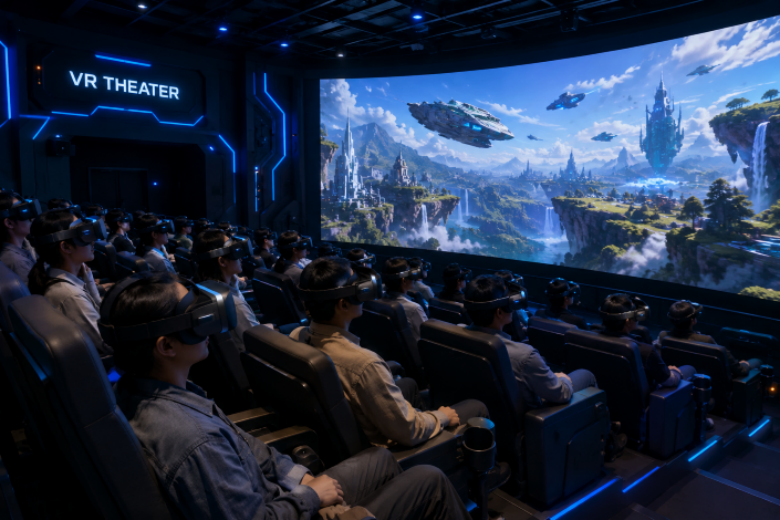
I pay close attention to access panels, ventilation, staff control points, and maintenance routes. These items are easy to remove in a meeting because they are not exciting. Later, they decide whether the team can restart a show quickly, clean the venue between groups, and fix a minor fault without shutting the attraction for half a day.
Buying rule for 2026 projects
Ask every XR Theater supplier to quote by business function, not only by component. The proposal should explain expected capacity, room conditions, operator workflow, content responsibilities, installation boundary, spare parts, and what support looks like after the first month. If a supplier cannot connect the system design to visitor flow and revenue logic, the offer is not ready for procurement.
MiXR is a better fit when the buyer wants a turnkey XR entertainment solution rather than a loose bundle of screens and devices. That does not mean every project needs the most complex version. It means the theater should be specified as an attraction with a clear job: attract visitors, move them through the experience, and keep the operator from inheriting a fragile technical puzzle.